by info@keyworthmedia | Sep 15, 2026 | Blog, Process
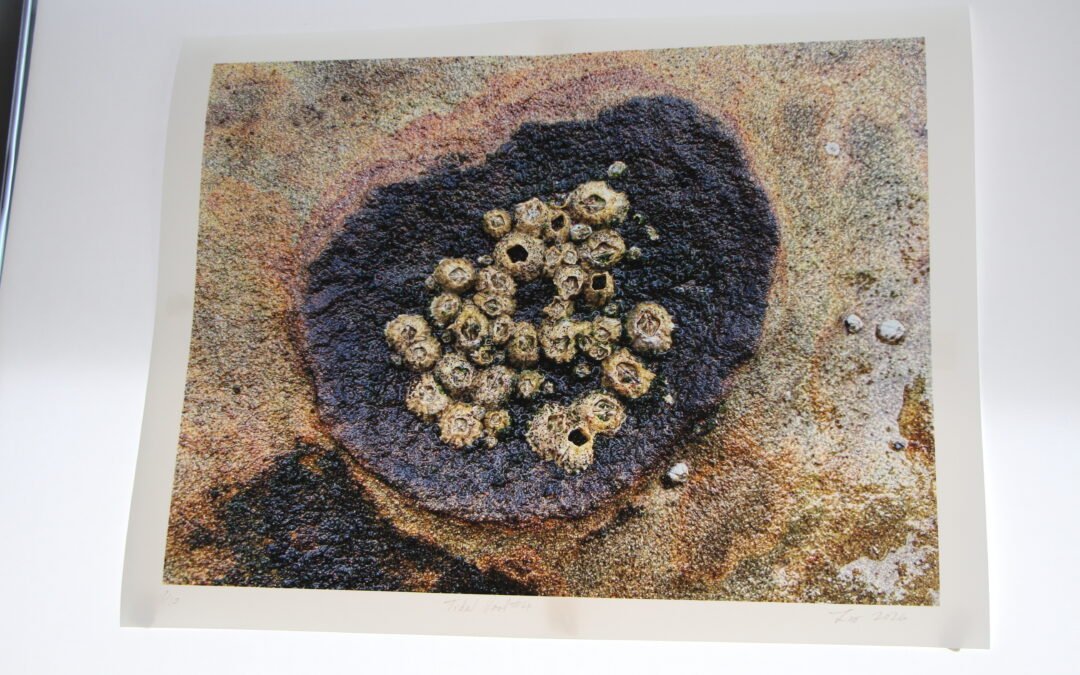
Beneath the Surface considers what is present, what is hidden, and what remains unresolved.
The work is shaped by ambiguity, memory, and the emotional tension that exists beneath visible forms. Through layered surfaces and careful composition, the series invites viewers to spend time with what is not immediately explained.
This body of work sits close to Aileen’s broader interest in the space between certainty and uncertainty. A surface may appear quiet at first, but the longer one looks, the more complicated it becomes. Marks, textures, and forms begin to suggest something held back, something partially obscured, or something still becoming clear.
In this way, the series does not try to settle meaning too quickly. It creates room for emotional response, inviting the viewer to remain with ambiguity rather than move past it.
by info@keyworthmedia | Aug 6, 2026 | Blog, Reflections
Much of Aileen’s work begins with attention to the environment and the social questions connected to it. Material, surface, and composition become ways of holding uncertainty. Rather than offering fixed answers, the work opens a space for reflection, inviting viewers to consider what is visible, what is fragile, and what remains beneath the surface. Memory also plays a quiet role in the work. It appears not as a direct record, but as atmosphere, trace, and feeling. A colour, texture, or shape can suggest something familiar while remaining open enough for the viewer to bring their own associations. In this space, material choices matter. Paper, paint, printmaking processes, and mixed media elements each carry their own history. The final work becomes a meeting place between subject, process, and emotional response.
